 Store Locations
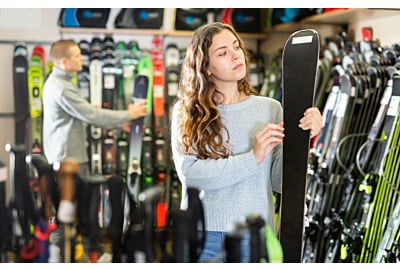
Are you getting ready for your next ski trip? Having the right equipment is a big part of having a good time on the slopes. But learning how to choose snow ski equipment can feel overwhelming, especially with so many options.
This guide will walk you through picking the perfect skis for your style and experience level. And once you've got the skis figured out, we'll help you understand bindings, boots, and poles, too, so you can confidently tackle those snowy peaks. Ready to learn how to choose snow ski equipment? Whether you're a seasoned pro or just starting, you'll find the perfect ski and snowboard equipment to suit your needs.
Types of Skis
Before delving into ski specifications, it's critical to understand the many types of skis available since your planned skiing activities will heavily affect your decision. All-mountain skis are the most popular category, as they are built for a wide range of situations, from groomed slopes to powder. These adaptable skis are great for beginners and intermediate skiers who want a ski that can adapt as their skills improve.
If you prefer both groomed terrain and powder, choose a wider all-mountain ski, which has a broader base and performs better in deeper snow. If you enjoy drifting through deep powder, powder skis are designed for that. These skis have broader bases that allow them to stay on top of soft snow, with waist widths of 109 mm or more for men and 100 mm or more for women. These skis are the perfect option if you reside in a snowy area or are always looking for the best powder.
Freestyle skis are designed for skiers who prefer terrain parks and tricks, with shorter, more agile models ideal for jumps, rails, and boxes. These skis are ideal for a lively skier trying to get creative on the mountain. If you're heading into the backcountry, you'll need skis intended for unpatrolled terrain. These skis are lighter for simpler ascents and frequently include modified bindings that enable uphill climbing. However, backcountry skiing necessitates avalanche awareness, so educate yourself before venturing out. Backcountry ski waist widths typically range from 80 mm to 120 mm to meet different snow conditions.
Understanding the different types of skis is essential for selecting the right equipment to match your skiing activities. Here's a quick recap of the ski types we've covered:
All-Mountain Skis: These skis are versatile, suitable for skiers of all levels, and capable of handling a variety of conditions.
Wider All-Mountain Skis: With their broader base, these skis are ideal for those who enjoy groomed slopes and deeper powder.
Powder Skis: Best for deep snow enthusiasts. They are designed to stay afloat on soft snow and have wider bases.
Freestyle Skis: These are perfect for terrain parks and tricks, offering agility and ease for creative skiers.
Backcountry Skis: Designed for unpatrolled terrain, lighter for ascents, and equipped for uphill travel.
Choosing the right ski can enhance your skiing experience, so consider your preferred terrain and skiing style when deciding.
Understanding Ski Dimensions
Understanding the tip/waist/tail measurements is essential when selecting skis. These dimensions, expressed in millimeters, are crucial for determining ski performance and suitability across different snow conditions. Here's a detailed guide and checklist to help you make the best decision:
- Tip Width: is the ski's width at its widest point at the front. It affects how well the ski can "float" on soft snow.
- Waist Width: The narrowest point of the ski, crucial for determining performance in various snow conditions.
- Small Waist (60mm—80 mm): These skis, often referred to as "frontside" skis, are perfect for groomed slopes and carving tight turns. They provide precision and agility.
- Medium Waist (85mm—95 mm): This ski offers a balanced performance suitable for all-mountain skiing. It can handle groomed runs and some off-piste conditions.
- Wide Waist (95mm and up): These skis are best for powder and backcountry skiing. They provide excellent flotation in deep snow but may sacrifice agility on groomed trails.
- Tail Width: The width at the ski's widest back point influences turn control and stability.
The waist is that magical number that dictates a ski's ability to perform in specific snow conditions. Still, the other two are essential to consider as well, so here is an overview:
Tip width: Influences how effectively a ski can "float" on soft snow, with wider tips providing better powder performance. In contrast, smaller tips and slender waists offer greater control when carving tight turns. Tail width also affects turn control.
Tail Width: This is the width at the ski's widest back point. It influences turn control and stability, with wider tails offering more support during turns.
Bindings, Boots & Poles
In skiing, equipment plays a crucial role in ensuring a successful and enjoyable experience on the slopes. Bindings, boots, and poles are among the essential gear, each contributing uniquely to performance, safety, and overall skiing enjoyment.
Bindings serve as the critical connection between the skier and their skis. Their primary role is to secure the boots to the skis, allowing for effective control and maneuverability. Bindings are designed to release the boot from the ski in the event of a fall, reducing the risk of injury. The release mechanism can be adjusted based on the skier's skill level, weight, and skiing style to optimize safety. A well-adjusted binding ensures the skier can confidently tackle various terrains and conditions.
In skiing and talking about bindings you will hear people say “DIN.” The DIN setting on bindings refers to the release force setting, which determines how easily the boot will release from the ski during a fall. Higher DIN settings mean the bindings are less likely to release, which is often preferred by advanced or aggressive skiers who ski at higher speeds and on more challenging terrain. This setting helps prevent unwanted releases during intense skiing maneuvers, but it should be adjusted carefully to balance safety and performance.
Boots are arguably the most personal piece of skiing equipment. They serve as the interface between the skier’s movements and the skis, providing support and comfort. The right boots ensure proper weight distribution and effective power transfer, significantly affecting skiing technique and endurance. Ski boots come in a range of flex ratings, determining their stiffness. A stiffer boot provides more control for aggressive skiers, while softer boots offer comfort and flexibility, ideal for beginners. A proper fit is essential to prevent blisters and maximize performance.
Poles are often overlooked but are vital for balance, rhythm, and timing in skiing. They assist with turns, help maintain momentum on flat sections, and provide stability when navigating challenging terrain. Poles should be the correct length to suit the skier's height and skiing style; too long or short can lead to poor posture and inefficient skiing technique. Additionally, poles' materials and grip design can influence their durability and ease of use.
Understanding the role of bindings, boots, and poles is crucial for enhancing your skiing experience:
- Bindings: Connects boots to skis, allows for effective control, and includes a release mechanism for safety.
- Boots: Provide support, comfort, and power transfer; crucial for proper technique and injury prevention.
- Poles: Aid in balance, rhythm, and timing; essential for navigating various terrains efficiently.
When choosing the best skiing equipment, you must consider your skill level, style, and preferences. Here's a guide to help you select the right bindings, boots, and poles:
Bindings:
Selecting the right bindings involves considering your skiing ability and preferred style. For beginners and intermediate skiers, look for bindings with adjustable release settings to enhance safety. Advanced skiers may prefer bindings with higher DIN settings for more aggressive skiing. Ensure compatibility with your boots and skis, and opt for bindings with features like easy step-in and step-out mechanisms for convenience.
Boots:
The perfect ski boots are a blend of comfort and performance. Pay attention to flex ratings; beginners should choose softer boots for flexibility, while experienced skiers might opt for stiffer boots for better control. Ensure a snug fit to prevent movement inside the boot, which can lead to blisters and reduced control. Custom footbeds or heat-moldable liners can enhance fit and comfort. Always try on boots with ski socks to mimic actual skiing conditions.
Poles:
Selecting ski poles involves determining the appropriate length, allowing your elbows to form a 90-degree angle when you hold the poles upside down. Consider the material; aluminum poles are sturdy and affordable, while carbon fiber options are lighter and more expensive. Look for comfortable grips and durable baskets suited to the terrain you plan to ski. Adjustable poles are versatile, especially for those venturing into varied terrains.
Considering these factors, you’ll be better equipped to choose skiing gear that enhances your performance and enjoyment on the slopes.
Additional Considerations for Ski Equipment:
- Skiing Ability: Choose equipment that matches your skill level to ensure safety and enjoyment. Beginners should look for skis that are forgiving and easy to maneuver.
- Skiing Style: Whether you prefer carving on groomed runs, freestyle skiing, or exploring off-piste terrain, select skis that suit your style.
- Terrain Preference: Consider where you'll be skiing most often. If you frequent groomed trails, opt for skis with a narrower waist. Wider skis are preferable for those who seek adventure in powder or backcountry.
Learning how to choose snow ski equipment takes some research. Hopefully, this has given you a good starting point for confidently picking your skis, bindings, boots, and poles. As you dive deeper into each item, consider your ability, skiing style, and terrain preference.
How to Choose Snow Ski Equipment: A Final Checklist
1. Assess Your Skiing Ability:
-
- Select equipment that aligns with your skill level to ensure safety and enjoyment.
- Beginners should look for forgiving skis and adjustable bindings.
2. Determine Your Skiing Style:
-
- Choose skis that suit your style, whether carving on groomed runs, freestyle tricks, or off-piste adventures.
3. Consider Terrain Preference:
-
- For groomed trails, opt for skis with a narrower waist.
- Wider skis are ideal for powder or backcountry terrain.
4. Bindings Selection:
-
- Look for adjustable release settings for beginners and intermediates.
- Advanced skiers may need higher DIN settings for aggressive skiing.
- Ensure bindings are compatible with your boots and skis.
5. Boots Selection:
-
- Pay attention to flex ratings: softer boots for beginners, stiffer for experienced skiers.
- Ensure a snug fit to prevent movement and blisters.
- Consider custom footbeds or heat-moldable liners for added comfort.
6. Poles Selection:
-
- Choose poles that form a 90-degree angle at the elbows when held upside down.
- Decide between sturdy aluminum or lighter carbon fiber materials.
- Look for comfortable grips and durable baskets.
7. Ski Dimensions:
-
- Tip Width: Wider tips for better flotation on soft snow.
- Waist Width:
- Small (60mm–80mm) for groomed slopes.
- Medium (85mm–95mm) for all-mountain skiing.
- Wide (95mm and up) for powder and backcountry.
- Tail Width: Affects turn control and stability.
8. Additional Considerations:
-
- Always try on boots with ski socks for the best fit.
- Opt for adjustable poles for varied terrains.
This checklist will guide you in making informed decisions for your ski equipment, ensuring an enhanced and enjoyable experience on the slopes.
If you need more clarification, consult with knowledgeable ski shop staff who can provide expert guidance. Being well-prepared with the right ski equipment ensures a safe and enjoyable experience on the slopes, especially for beginners.
Equip yourself with confidence to create unforgettable winter memories. If you're new to the slopes, ensure you're well-prepared with the right ski equipment for beginners to provide a safe and fun experience.


