 Store Locations
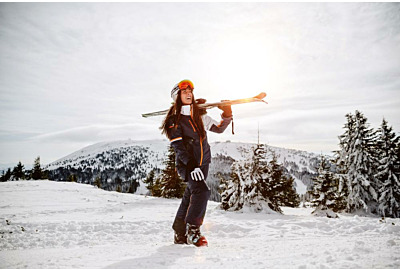
Getting your ski gear to the slopes can sometimes feel like navigating a slalom course before you even click into your bindings. Whether flying to a snowy haven or driving up to your favorite local mountain, knowing how to carry ski equipment efficiently can make your life much easier.
It's all about balancing, protecting your gear and saving energy for the slopes. Let's break down the best ways to carry your skis and boots, from tried-and-true methods to helpful hacks. This way, you'll learn. Check out our extensive range here for the most comprehensive selection of the best online ski equipment to carry ski equipment without feeling like a pack mule. For the most comprehensive selection of the best online ski equipment, check out our extensive range here.
Choosing the Right Gear for the Job
Before we discuss how to carry skis and boots, we must discuss the right gear. Choosing the proper bags and accessories can make transporting everything much easier, especially for ski trips. Packing smart can significantly impact your overall experience.
Ski Bags
Investing in a solid ski bag is especially important for air travel. A bag protects from dings, scratches, and rough treatment at airports. Many ski bags also offer additional storage. For example, putting ski coats, pants, and other bulky goods inside the ski bag might provide more padding while making the pack lighter. Just check your airline's baggage policy for size and weight restrictions.
Boot Bags
Boot bags are more than just a place to store your boots. Modern versions contain additional pockets for gloves, goggles, and helmets, letting you keep your ski gear organized. Some boot packs even feature room for a portable boot dryer to keep your boots dry and warm for the next day on the slopes. If you're traveling long miles or through airports, a boot bag with wheels can make the journey much easier by acting as a mobile locker room and simplifying getting ready at the base.
Mastering the "Local Carry" and its Alternatives
You're prepared and eager to get on the slopes, but how will you carry all your equipment? The most common technique is the "Local Carry," which might be challenging initially but gets easier with practice. First, make sure the bases of your skis are flush by clicking them together. Then, lift the skis onto your shoulder, slanting the tips slightly forward. To maintain balance, place one arm over the front of the skis and put the binding toe behind your shoulder. You can use your other hand to hold your poles for extra support.
If the "Local Carry" does not suit you, an alternate approach is called the "Escort." This entails keeping your skis parallel to the ground and tucked under your arm, which provides more control in confined situations. Based on your surroundings and preferences, choose the approach that is most comfortable for you.
Essential Tips for Safe and Efficient Carrying
A few general suggestions will help you travel more smoothly with ski equipment, whether traveling through an airport or from the parking lot to the slopes. To avoid straining your muscles, make sure the weight is spread evenly. If hauling skis is causing your backpack straps to bite into your shoulders, it's time to reposition the burden. Additionally, because ski areas and airports are frequently packed, it's critical to maintain awareness of your surroundings. Knowing your surroundings might help prevent needless crashes, particularly in crowded baggage claim areas. Lastly, practice carrying your skis and boots at home before your trip to increase your confidence and develop muscle memory.
When flying with ski equipment, picking the correct bag is vital. Look for one that's robust, padded, and fits airline size and weight requirements to avoid extra expenses. If you have pricey skis, consider a hard-sided bag for extra protection. However, soft-sided packs may be lighter and more economical. Use additional padding around your skis, such as your ski pants and jacket, to prevent moving during transit, and store your boots separately in a designated boot bag. Always affix baggage tags with your contact details to both bags for simple identification.
Get informed about your airline's sports equipment policies before you go to the airport. If you bring more baggage than what is allowed, certain airlines might not charge you extra for ski and boot bags. Since ski boots are sometimes the bulkiest item, stowing them in your carry-on is also a good idea. This way, if your carry-on needs to be gate-checked, you'll still have your boots with you.
Navigating the Airport with Ski Equipment
Navigating a bustling airport with bulky ski equipment might seem daunting, but some tips can simplify the process. To save time at the airport, start by checking in for your flight online and printing your boarding pass. If online check-in isn't available, allow ample time at the airport, especially during peak travel seasons.
Use a luggage cart to comfortably transport your ski bag, boot bag, and other luggage. Be mindful of other travelers and airport staff as you navigate the airport. Look for designated areas for oversized luggage check-in, usually at the end of the regular check-in counters.
After landing, head to the baggage claim area designated for oversized luggage. Patience is vital; offloading larger items like skis and snowboards often takes longer. Keep an eye out for your ski bag and boot bag. Once you have located and collected all your belongings, double-check that you have everything before leaving the baggage claim area.
Whether you're a seasoned skier or a first-timer, figuring out how to carry ski equipment doesn't have to be a struggle. Remember to prioritize safety, comfort, and protecting your gear. By finding a method that feels natural and suits your individual needs, you'll be able to focus on the fun part – actually enjoying the slopes. You won't want to miss our store if you're near Glen Mills, Pennsylvania, or any surrounding area and looking for the best snowboard equipment. Discover our top-rated gear here.
Ski Trip Gear and Travel Checklist
Choosing the Right Gear:
- Select a solid ski bag for air travel to protect and store additional gear.
- Opt for a boot bag with extra pockets and wheels for convenience.
- Check airline baggage policy for size and weight restrictions.
Carrying Skis and Boots:
- Learn the "Local Carry" method:
- Click ski bases together, lift onto the shoulder, and use one arm for balance.
- Try the "Escort" method for more control:
- Keep skis parallel to the ground, tucked under your arm.
- Practice carrying techniques at home to build confidence.
Essential Tips for Safe Carrying:
- Distribute weight evenly to avoid muscle strain.
- Adjust backpack straps if they dig into the shoulders.
- Stay aware of your surroundings to prevent collisions.
Navigating Airports with Ski Equipment:
- Check-in online and print a boarding pass when possible.
- Use a luggage cart for easy transport of ski and boot bags.
- Head to designated oversized luggage areas for check-in.
- Collect all belongings from the oversized baggage claim area.
Additional Tips:
- Consider a hard-sided ski bag for expensive equipment.
- Utilize ski clothing for extra padding around gear.
- Attach baggage tags with contact information on all bags.
- Store ski boots in a carry-on to keep them accessible.
Shopping for Gear:
Visit local stores for top-rated snowboard equipment, especially if you're near Glen Mills, Pennsylvania, or Newark, Delaware.


